Athletics, Faculty-and-Staff-Stories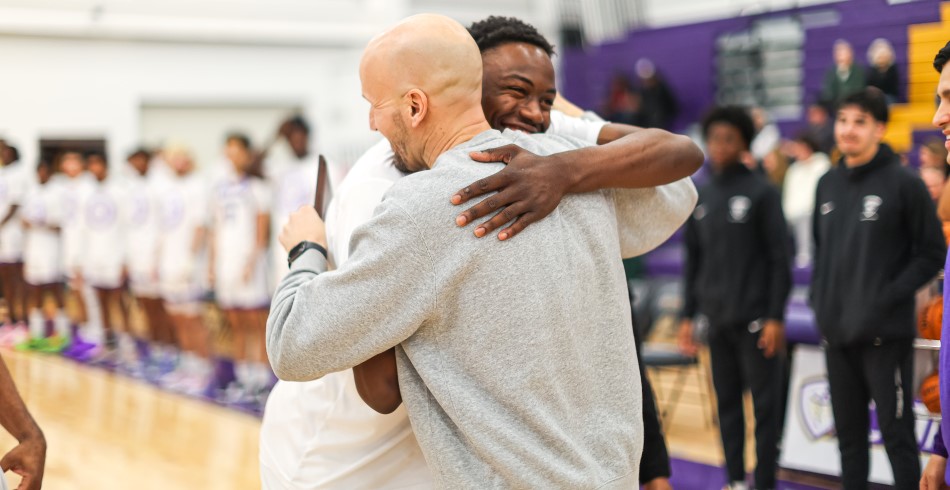
Coach Stan Bonewitz on Character, Accountability, and Building a Team
October 05, 2026
When people think about college basketball, their minds often go straight to wins, losses, statistics, and championships. However, for basketball coach Stan Bonewitz, developing student-athletes goes far beyond what happens on the court. His approach to coaching focuses on character, accountability, mental toughness, and learning how to become a better person and teammate.
After interviewing Coach Bonewitz, one thing that stood out to me was how much he values the person behind the athlete.
What Does Good Character Look Like?
When asked how he defines good character in a student-athlete, Coach Bonewitz emphasized the importance of actions matching words.
He described a person who is consistent whether someone is watching or not and who is genuinely concerned about their teammates and the people around them. Most importantly, he believes good character is shown by someone who can put the team ahead of themselves.
This can be difficult, especially in a competitive college basketball environment. Players have different roles, and those roles can change throughout a season. Some players will start while others may come off the bench. According to Coach Bonewitz, character becomes visible when athletes are faced with those difficult situations and have to make hard decisions.
He explained that you can only truly identify someone's character after spending time with them and seeing how they respond to different situations. The biggest challenge is being able to get past yourself and understand the bigger picture.
When I first read this question, I immediately thought of the word selfless. After hearing Coach Bonewitz's answer, I felt that selflessness was a major part of what he meant by good character. Being willing to put the team's success ahead of your individual role is not always easy, but it can make a major difference in a team's culture.
Developing Character Through Challenges
Coach Bonewitz hopes his athletes leave the program with more than basketball skills. He wants them to develop the ability to work hard, deal with difficult situations, and accept accountability for their actions.
One idea he emphasized was the importance of "taking what you do seriously, but not yourself."
There is a time to work hard and focus, but athletes also need to understand when it is appropriate to step back, relax, and not put too much pressure on themselves.
Coach Bonewitz explained that taking yourself too seriously can actually prevent growth because it can make you less open to criticism and coaching. In his words, "If you can't be coached, you can't grow."
This lesson extends beyond basketball. In school, work, and everyday life, being able to accept constructive criticism is an important part of improvement.
Coaching Changes as Athletes Develop
Coach Bonewitz explained that while certain standards remain consistent, his approach to individual athletes changes as they develop.
There are standards that do not change, such as being on time, giving effort, and meeting academic expectations. However, as players get older, coaches understand them better and can navigate situations differently based on the individual.
At the same time, Coach Bonewitz believes that athletes should have fewer mistakes as they gain experience. He compared it to the workplace: someone who has been at a job for several years should not need the same amount of training as someone who has just started.
The longer an athlete is in the program, the more responsibility they are expected to take on. Growth means learning from mistakes and not continuing to make the same mistakes over and over.
Identifying Strengths and Areas for Improvement
Developing an athlete starts before they even join the team. Coach Bonewitz explained that the recruitment process gives coaches an opportunity to watch athletes, work with them, and understand where they currently are in their development.
Coaches can identify strengths and weaknesses through individual workouts, practices, and on-court situations. However, evaluation does not stop once practice ends.
Communication, attitude, accountability, and how an athlete interacts with others can also reveal areas where they can improve.
For Coach Bonewitz, developing a complete student-athlete means looking at both basketball skills and the qualities that make someone a good teammate and person.
Ready to grow as a student, teammate, and leader?
Apply to Concordia University Texas and discover a college experience designed to help you develop both in and beyond the classroom.
Apply TodaySuccess Beyond Wins and Statistics
A successful athlete is not necessarily defined by how many points they score or how many games they win.
For Coach Bonewitz, success means buying into the program and developing mental toughness.
Buying into a program means understanding that you are part of something bigger than yourself. It requires accepting your role, trusting your teammates, and committing to the standards of the team.
Mental toughness is also important because basketball, just like life, comes with adversity. Players have to learn how to respond when things do not go their way.
A new season brings new players, new challenges, and new opportunities. While the goals of every basketball team include winning games, the conversation I had with Coach Bonewitz made it clear that there is much more happening behind the scenes.
The lessons players learn about accountability, mental toughness, selflessness, work ethic, and accepting coaching can stay with them long after their basketball careers are over.
After interviewing Coach Bonewitz, I came away with a better understanding of what it means to be a student athlete. Basketball may be what brings the team together, but character is what helps shape the people within it. The ability to put the team before yourself, accept criticism, work through difficult situations, and continue to grow can make an impact far beyond the basketball court.
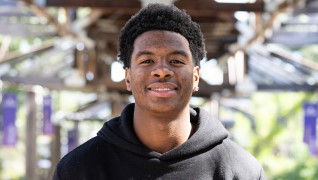
About The Author
Darone Leakes is a kinesiology major and student-athlete at Concordia University Texas. As a Digital Content Specialist with the Ultraviolet Student Agency, he captures the energy and faith-driven spirit of Concordia Texas athletics. Inspired by Coach Stan Bonewitz, he continues to grow as a leader both on and off the court while pursuing his goal of becoming a physical therapist.