Academics-Education, MEd
The Future of Education Is Already Here. The Good News? Educators Are More Ready Than They Think.
June 01, 2026
Over the past several months, I have had the privilege of talking with educators across Texas about artificial intelligence, technology integration, digital learning, and the future of education. These conversations have happened in school conference rooms, after information sessions, and in quick phone calls squeezed between practices, dismissal duty, grading, family responsibilities, and all the other things educators carry each day.
What I continue to hear from teachers and instructional leaders is clear: educators want practical, relevant learning that helps them lead confidently in a world that is evolving faster than ever before. They are not resisting the future. They are trying to keep up with it while still caring deeply for students, supporting colleagues, and doing the meaningful work that brought them into education in the first place.
Concordia Texas is currently offering a $10,000 Education Workforce Development Scholarship for eligible students in the inaugural Fall 2026 cohort of the M.Ed. in Emerging Technology and Innovation.
That distinction matters to me.
Sometimes conversations about technology in education become so focused on tools and platforms that we forget the people leading classrooms and campuses through these changes. Teachers are still trying to build confidence in students. Instructional leaders are still trying to support teams. Coaches are still mentoring young people. School leaders are still trying to create environments where students feel safe, challenged, and known.
Technology does not replace any of those responsibilities. If anything, it makes thoughtful leadership even more important.
Artificial intelligence is already influencing how students learn, how educators plan instruction, how schools communicate, and how organizations make decisions. That reality can feel exciting one day and overwhelming the next. I understand that. I also believe educators do not need to become technology experts overnight. They need the opportunity to learn, ask questions, experiment, and grow in a supportive environment.
That is exactly why we created Concordia Texas’ M.Ed. in Emerging Technology and Innovation.
When we designed this program, we wanted it to be practical, supportive, and realistic for working educators. We wanted students to immediately connect what they are learning to their current classrooms, campuses, and leadership roles. We wanted the learning to be meaningful, not theoretical or disconnected from the real work of schools.
The ethic of care students will find in our virtual online community is one of the things that distinguishes Concordia Texas from many other programs. This program was not designed only for people with unlimited time and energy. It was built for educators who are already leading and want tools, confidence, and preparation for where education is heading next.
One of the things I love most about this program is that students can apply ideas right away. They explore artificial intelligence, instructional design, innovation, data analytics, and digital learning while actively serving students and schools. They are also learning alongside other educators who understand the realities of this profession, and that kind of community matters.
I often hear educators say, “I would love to earn another degree, but I honestly do not know how I would fit it into my life.” I understand that concern. Most educators are balancing careers, families, financial responsibilities, and emotional investment in the people they serve. That is why flexibility and support matter so much.
Graduate school should feel realistic and manageable for working professionals. Growth should still feel possible. Sometimes people simply need someone to remind them that they are more capable than they think.
As educators, we spend so much time encouraging growth in others. My hope is that more educators will also allow themselves the opportunity to continue growing. The future of education is not just about technology. It is about thoughtful, compassionate leaders who are willing to continue learning in order to better serve students and communities.
And from what I see every day, educators are more ready for that future than they realize.
Supporting the Next Generation of Educational Leaders
Eligible students in the inaugural Fall 2026 cohort may receive the $10,000 Education Workforce Development Scholarship, helping make graduate education more accessible for working educators across Texas.
For many students, the scholarship significantly reduces the overall cost of earning an M.Ed. while continuing to work full time.
Ready to Lead the Future of Education?
Concordia Texas’ fully online M.Ed. in Emerging Technology and Innovation is designed for working educators who want practical skills in artificial intelligence, instructional design, digital learning, data-informed decision making, and innovation leadership.
With a $10,000 Education Workforce Development Scholarship available for the inaugural Fall 2026 cohort, graduate school may be more doable than you think.
FAQ
-
What is emerging technology in education?
Emerging technology in education refers to new and evolving tools, platforms, and practices, including artificial intelligence, virtual learning, data analytics, and digital instructional design, that help educators improve learning experiences.
-
Is Concordia Texas’ M.Ed. in Emerging Technology and Innovation online?
Yes. The M.Ed. in Emerging Technology and Innovation is fully online and designed for working educators.
-
How long does the M.Ed. in Emerging Technology and Innovation take to complete?
The 30-hour program is designed to be completed in as little as 12 months.
About the Author
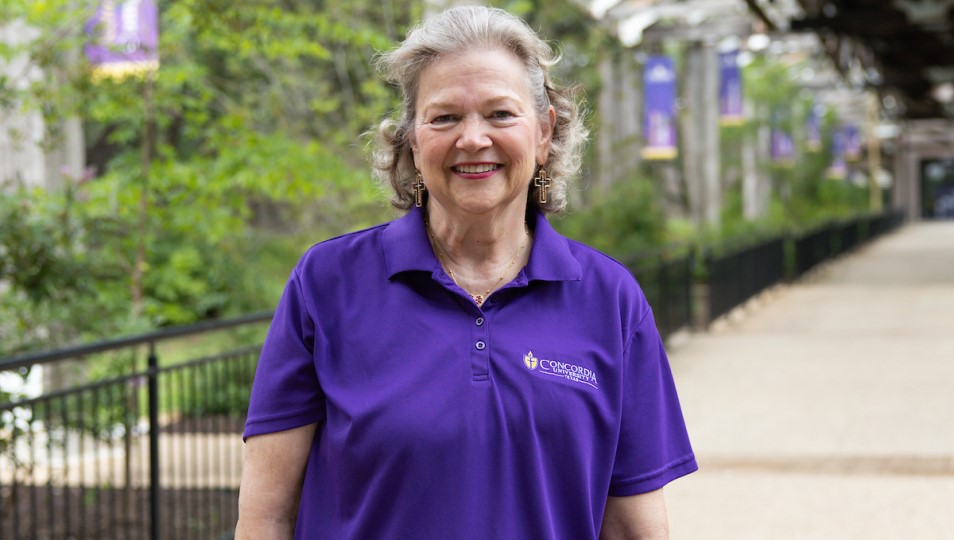
Lori Einfalt began her career as a classroom teacher and has enjoyed teaching at all levels—ES, MS, HS, and college. Dr. Einfalt has also worked as a campus and district instructional leader for many years. She is blessed to serve as an Associate Professor at Concordia University and is the Coordinator of MEd Programs. In this position, she oversees the Emerging Technology and Innovation Program and loves working with graduate students!